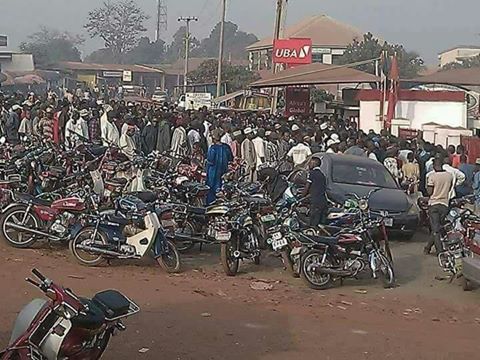
Nigeria has witnessed a period of extreme decline in economic growth identified by massive Gross Domestic Product (GDP) retraction. The recession has been since the sudden crash of crude oil price which is the main source of revenue for the Nigerian government. As a result of the recession, the country has witnessed various economic challenges such as inflation, extremely high cost of living, poor cash flow, unemployment and job losses, among others.
The Nigerian government has assured the citizens that “the country will soon be out of recession” and that the economy will return to stability. The Government has also consistently advised that the way out of the recession is diversification. Reacting to this, many argue that the government’s economic policy, has a great role to play in the financial state of the country. The aggrieved citizens also argue that diversification into various sectors such as agriculture which at independent, was the mainstay of the economy until the discovery of the crude oil would be easy and lucrative if the basic amenities are provided by the government.
Nevertheless, the country still struggles with recession and the poor flow of cash in banks has resulted in the long queues in the banks and various ATM points.
 Loud Whispers
Leave a comment